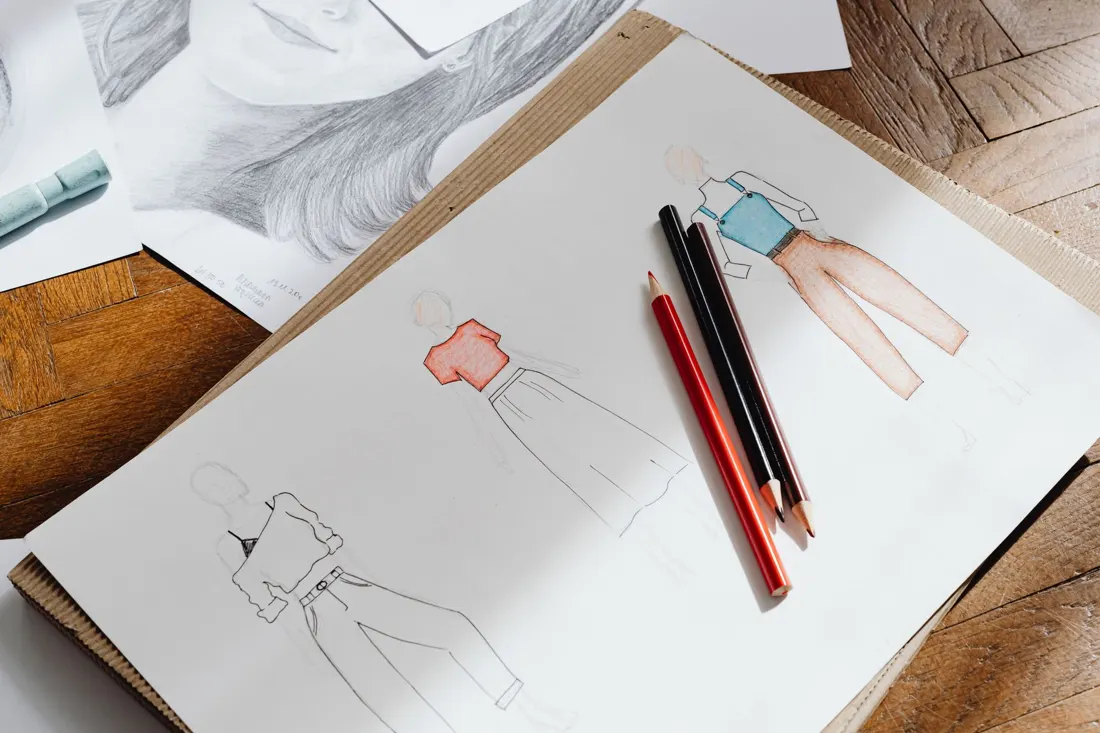
Start with the garment your customer should receive
A low price for the wrong garment is not a useful quote. Before approaching manufacturers for a Shopify collection or TikTok Shop drop, describe the intended fit, use and details that matter to your customer. Reference images can explain direction, but the supplier still needs to know which features you want and which you are showing only for context.
An initial enquiry can be incomplete if its purpose is to find out who can help with development. It should not look like a finished production specification. Ask what information is needed for an indicative price and what must be resolved before a firm quote or sample.
Shopify's tech-pack guide describes drawings, materials, measurements, construction and revision records as parts of garment documentation. Use that as a documentation reference; the level of detail required depends on the garment and the work you are requesting.
A first enquiry brief you can use
This is an original illustrative outline for a relaxed crew-neck tee. It is a brief structure, not a validated garment specification. Complete technical measurements, construction and grading with the appropriate garment-development specialist before production approval.
Scroll sideways to view all columns →
| Field | What the enquiry should say | If you do not know yet |
|---|---|---|
| Identity | Your garment name, reference code, version and date | Create a stable reference before sending it to more than one supplier |
| Customer and use | Everyday tee; intended fit and wearing experience | Describe the experience you want and request development help |
| Visual direction | Front/back reference with the features you want identified | Mark references as direction, not permission to copy another brand |
| Material | Required composition, handle, weight or performance where known | Request options and samples; identify which requirements are essential |
| Fit and dimensions | Reference garment or a technician's measurement sheet | Label measurements and measuring method as unresolved |
| Construction and finish | Known neckline, seam, hem, print or embroidery requirements | Ask which details need technical development and a sample |
| Colour and trims | Colour reference, labels, buttons or other components where relevant | State which options are still being compared |
| Order quantities | Indicative total and proposed split by size and colour | Ask which minimums apply at each level |
| Sample request | What you want the first sample to establish | Separate fit, material, construction and decoration questions |
| Timing and quote scope | Required milestones, shipping destination and costs to include | Request assumptions and dependencies rather than a promised date without context |
Keep supplier questions in the brief. A blank cell can be overlooked; “not yet decided — please propose options” tells the reader what action you need.
Distinguish a question from an approval
Scroll sideways to view all columns →
| Current state | Useful next action | What it does not authorise |
|---|---|---|
| Enquiry outline | Ask whether the supplier can develop and quote the garment | Cutting a bulk order |
| Proposed technical detail | Ask a qualified person to check its suitability and completeness | Treating an untested proposal as the agreed specification |
| Sample and brief under review | Record findings against the named versions | Making every requested change without confirmation |
| Agreed production documentation | Confirm the specific scope, quantities and approval with the responsible people | Unrequested substitutions or later changes |
Make each quote comparable
Send the same brief version to every supplier. Ask each to identify exclusions, alternative materials, minimums, sample charges, payment milestones and shipping terms. If one supplier is pricing an existing pattern and another includes development, those prices describe different work.
Record a supplier's proposed change before comparing prices. Reissue the brief if the change becomes your requirement. Use the quote-comparison guide to compare the agreed scope and the MOQ guide to check the quantity commitment.
Keep a short change log
Scroll sideways to view all columns →
| Revision | What changed | What needs a new answer |
|---|---|---|
| Enquiry A | Initial garment direction and indicative quantities | Supplier capability, proposed route and missing information |
| Enquiry B | A chosen material replaces an open option | Revised price, material minimum and sample timing |
| Sample review | Comments recorded against the named sample | Confirmation of requested changes and next sample scope |
Save superseded versions for context, but identify the current one clearly. Do not leave different instructions in email, a reference image and a spreadsheet for the factory to reconcile.
Keep the brief connected to the next decision
The brief establishes what the quote and sample should answer.
Frenzee is a personal assistant for clothing brands, being built to connect sourcing, merchandising intelligence and production with a workspace. The assistant and workspace are coming soon.