Which manufacturing route fits your product?
Choose the route around the garment, rather than around the first supplier who replies. A printed blank, an adapted existing pattern and a garment developed from your own design give you different control over fit, fabric and construction.
Scroll sideways to view all columns →
| Route | What you are choosing | What to clarify first |
|---|---|---|
| Decorated blanks | An existing garment with your print or embroidery | Whether the base garment already delivers the fit and fabric experience you want |
| Adapted existing style | A supplier’s existing design with agreed changes | Which changes are possible and what those changes do to price, minimums and sampling |
| Original cut-and-sew | A garment developed from your specification | Who handles patterns, materials, grading, samples and production |
Shopify’s clothing-store guide describes several production models. The choice for your brand depends on what makes the garment worth buying.
If your promise is a specific oversized fit, choosing a blank solely because it can carry your logo may miss the point. If the graphic is the product’s main distinction and an existing blank fits well, developing a new pattern may add work you do not need.
Write down the elements you will not compromise, alongside those you can adapt. That gives prospective suppliers something concrete to respond to.
What should you send a clothing manufacturer?
Send a clear brief with the current decisions and the questions still open. You do not need to pretend development is finished to start a conversation, but an early estimate is not the same as a confirmed production quotation.
A useful first enquiry includes:
- The garment type and intended customer.
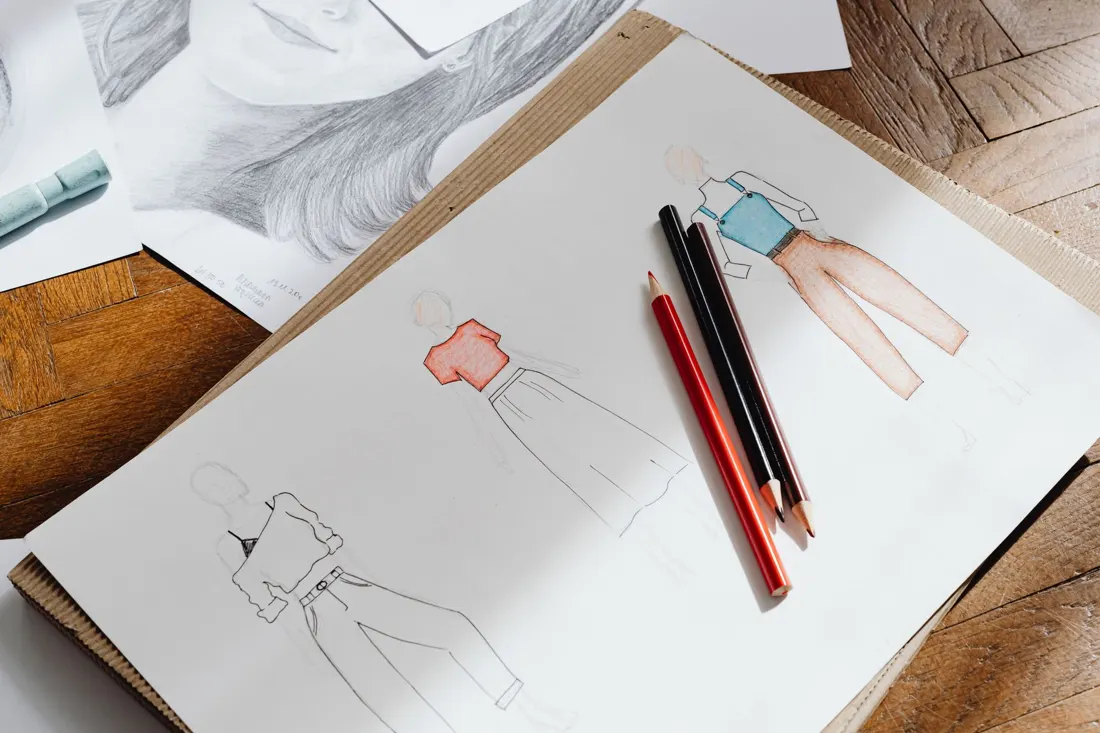
- Original sketches or references, with the particular details you mean to communicate.
- The intended fit and proposed size range.
- Known fabric requirements, plus any material choices where you need help.
- Planned colours and an initial quantity by style and colour.
- Target selling price and the production budget you are working toward.
- Delivery destination and your intended launch window.
- The help you need: pattern development, materials, grading, sampling or manufacturing.
For detailed development, a tech pack brings measurements, materials and construction instructions together. Shopify’s tech-pack guide explains that documentation. Keep revisions dated so a quote or sample can be matched to the version it used.
Treat references as communication aids, not permission to copy another brand’s artwork or protected design. Describe the function you want: for example, a sleeve opening that is comfortable when the wearer bends their arm.
How do you shortlist suppliers?
Look for evidence relevant to your garment, then confirm the unanswered parts directly. A factory photograph, directory entry or familiar customer logo does not establish that a supplier can make your specification at your quantity.
Ask prospective suppliers about comparable work, the operations they handle themselves, the work they subcontract and the materials they can source. Request examples appropriate to your garment category, rather than relying on a broad claim to make “all clothing.”
Separate four decisions in your notes:
Scroll sideways to view all columns →
| Decision | Evidence to request |
|---|---|
| Can they develop this garment? | Relevant sample work and an explanation of the proposed development process |
| Can they supply your materials? | Proposed material specification, physical swatches and availability conditions |
| Can they accommodate the order? | Written minimums, colour/size splits and capacity conditions |
| Can you work together commercially? | Comparable quote scope, payment milestones and agreed handling of changes |
An unanswered item stays unanswered. Do not turn a supplier’s willingness to discuss a project into confirmation that every part is feasible.
How do you compare the offers?
Give shortlisted suppliers the same brief and quantity, then record exclusions before comparing prices. One offer may include fabric while another covers sewing only. Their unit prices cannot answer the same question until the missing costs are added.
Illustrative decision: you want 240 shirts in two colours. One supplier proposes stock fabric with an agreed sample; another proposes a custom material order. Ask each to explain the material quantity you must purchase, who owns any remainder and whether that material can be used in a reorder. A lower sewing price does not settle which option commits less cash.
Use the quote-comparison guide to put the offers on the same basis. Use the MOQ guide when the quantity changes between the garment order and its materials.
What should happen before the production order?
Agree what the sample needs to demonstrate and record any changes before approving the next step. Examine the actual garment: fit, measurements, construction, material and the details that support your customer promise. Identify which questions require a qualified technician, testing laboratory or other specialist.
Write down what has been approved, what still needs correction and whether the next sample will use the intended production materials. Confirm whether a development sample represents the final garment; do not assume it does.
Then reconnect the approved version to the quote, quantity, payment milestones and delivery conditions. If a change affects those items, resolve it before placing the order.
Your next sourcing step
Create one brief for your next garment and mark each field decided, proposed or needs supplier confirmation. Send that same version to suppliers, and keep their answers beside it. This makes the next decision clearer without pretending the first conversation will answer everything.
Frenzee is being built to connect sourcing, merchandising intelligence and production in one conversation, with a workspace for the work behind it. Get an invite. Chat and the workspace are coming soon.