This guide is for brands and creators developing their own clothing. It focuses on the product and production decisions behind a launch. The platform references are from TikTok Shop US; check the current requirements in the market where you sell.
What does a product opportunity actually tell you?
A platform signal can suggest a question to investigate. It does not confirm that your version will sell, that a factory can produce it on suitable terms or that the audience will still want it when it arrives.
TikTok Shop US Product Opportunities offers product and keyword discovery. Its guidance explicitly leaves sourcing and subsequent product operations with the seller.
Record the signal precisely: the garment category, market, observation date, price context and what people appear to like. Then separate evidence of attention from evidence of buying intent.
Comments such as “love this colour” tell you something different from customers choosing a size at a stated price. Neither should be converted into an order forecast without further evidence. Where you have existing sales, examine what sold, what was returned and which sizes remained available.
What makes the clothing worth choosing?
Define the product promise before looking for a supplier. The feature people notice in a video should connect to something the garment actually delivers: fit, styling, fabric feel, useful details or a clear place in the customer’s wardrobe.
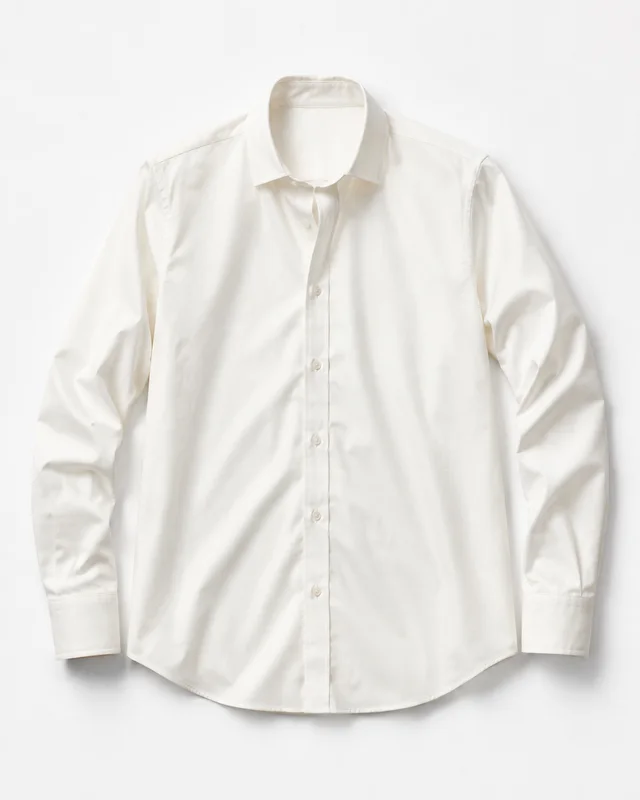
Illustrative decision: a creator sees interest in a relaxed shirt. The useful brief is not “make this viral shirt.” It could be an original shirt designed for an easy, untucked silhouette, with a collar that keeps its intended shape and sleeves that can be rolled comfortably.
That brief creates questions you can investigate physically. Does the sample sit as intended? Is the fabric suitable for the look and use? Do the sleeve and collar behave as you expected? Decide how those points will be checked; a photograph cannot establish material performance.
Keep the references, intended customer and target selling price together. A sourcing conversation without that context can produce a perfectly different garment from the one your audience expects.
How should you choose a manufacturing route?
Match the amount of development to what you need to control. Existing blanks may suit a graphic-led product. An adapted supplier style may work when its underlying fit is suitable. Original cut-and-sew gives you more development decisions, including the pattern, materials and measurements.
Ask a supplier which parts of your brief they can deliver and which require further development. Request written answers about quantities, materials, sample scope, payment milestones and delivery conditions.
If a material substitution changes the product promise, treat it as a product decision. Confirm it through an appropriate sample or test before rewriting your listing or approving production.
The quote-comparison guide helps compare what different offers include. The MOQ guide explains why a small garment order may still require a larger material purchase.
How much stock should you commit?
Work from the quantity you can justify and fund, then examine the supplier’s constraints. Do not enlarge the order merely because the proposed unit price looks more attractive.
Prepare three cases: cautious demand, your working forecast and a stronger response. For each, record how much stock remains, how much cash it ties up and what would trigger a reorder. These are planning cases, not predictions.
Scroll sideways to view all columns →
| Situation | Decision to resolve |
|---|---|
| Demand is unproven | Can you reduce the initial commitment or gather better evidence before ordering? |
| Existing clothing sales support a forecast | Which sizes and colours have evidence, and where are you still guessing? |
| A video performs unusually well | Is there buying evidence at your intended price, or mainly attention? |
| You expect to replenish | Can the material and supplier be available again, on what conditions? |
Ask when a reorder could realistically become available and what could change that answer. Do not use an invented universal manufacturing duration. Plan fulfilment around stock and milestones you can actually substantiate, and verify current platform rules before making customer promises.
How do product details become listing information?
Build the listing from the garment you intend to deliver. Keep material descriptions, measurements, size options, photographs and care information connected to the approved product version.
TikTok Shop US’s size-chart guidance distinguishes body measurements from product measurements. Make that distinction clear to customers. A label such as “medium” is not a substitute for explaining the relevant dimensions.
For your own review, ask:
- Are photographs representative of the product customers will receive?
- Does the size information describe body dimensions or the garment itself?
- Do listed colours and sizes match the inventory you can supply?
- Are material or performance claims supported?
- Have you checked current listing, category and fulfilment requirements for your market?
Approval of a sample is not proof of compliance with every platform or legal requirement. Keep those checks explicit rather than relying on a supplier’s broad assurance.
Will the sale leave enough money for the next run?
Compare expected revenue with product costs and the variable costs of the selling channel. Include applicable platform/payment charges, creator commissions, discounts, fulfilment, advertising and a realistic returns allowance. Verify the current terms that apply to your account and market.
Use the cost-and-margin guide to separate product margin from the contribution left after selling costs. An attractive selling price is only useful if the economics and inventory commitment work together.
Frenzee is being built to help clothing brands connect product choices, sourcing and merchandising intelligence to production. Get an invite. Chat and the workspace are coming soon.